
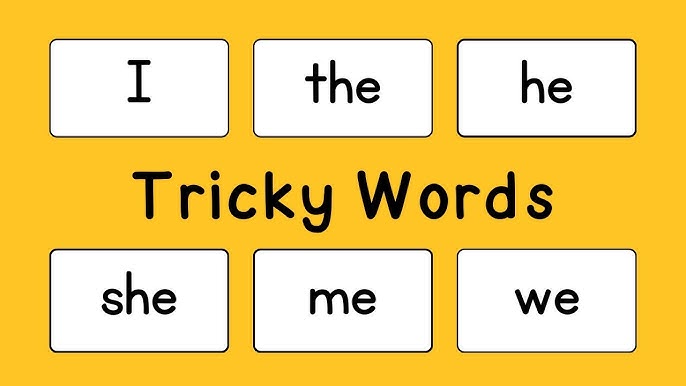
Words help us speak, read, and write every day. Yet some words can confuse even smart learners. These are called tricky words because they may sound strange, look unusual, or break common spelling rules. Many children and adults struggle with them at first.
The good news is that tricky words become easier with regular practice. You do not need special talent to learn them. You only need simple methods, clear examples, and a little patience. When you practice often, these words start to feel normal and easy.
In this guide, you will learn what tricky words are, why they matter, and how to remember them. You will also see examples, fun activities, and helpful tips. By the end, you will feel much more confident using tricky words in daily life.
What Are Tricky Words?
Tricky words are words that do not follow easy reading or spelling patterns. Some words look one way but sound another way. Others sound the same as another word but have a different meaning. Because of this, many learners stop and think when they see them.
For example, the words their, there, and they’re sound alike. However, each word has a different job in a sentence. This makes them common tricky words for students and even adults. Many people mix them up while writing quickly.
Some tricky words are very short, yet they still cause problems. Words like said, was, and come do not sound exactly how they look. Since they break normal phonics rules, learners often need extra practice with them.
Why Tricky Words Are Important
Learning tricky words helps you become a stronger reader. When you know these words well, you can read faster and with fewer pauses. That means stories become more fun and lessons become easier to understand.
Tricky words also improve writing. If you choose the right word, your sentence becomes clear and correct. If you choose the wrong word, readers may feel confused. So, learning tricky words helps you share ideas better.
These words appear in books, school tests, homework, emails, and daily messages. Because of that, knowing tricky words is useful at every age. Strong word skills help in school now and in work later.
Common Types of Tricky Words
There are many kinds of tricky words. When you know the groups, learning becomes easier. You start to notice patterns instead of feeling confused.
Words That Sound the Same
These words are called homophones. They sound the same when spoken, but they have different spellings and meanings. Many people make mistakes with them in writing.
Examples include to, too, and two. Another set is right and write. You must understand the meaning of the sentence to choose the correct word.
Words With Silent Letters
Some tricky words have letters you do not hear when speaking. This surprises many learners because the spelling seems longer than the sound.
Examples include knife, write, and lamb. The silent letters must be remembered through reading and repetition. Over time, they become familiar.
Rule Breaker Words
Some words simply do not follow common spelling rules. They must be learned by sight and memory.
Examples include said, one, and does. These tricky words are common, so regular reading helps you remember them faster.
Common Tricky Words for Kids
Children often meet tricky words in early reading books. These words appear many times, so learning them early gives a big advantage. When children know these words, reading feels smoother and easier.
Common examples include the, was, said, come, some, they, you, your, and because. These words may seem simple, but many beginners need time to master them.
Teachers often use flashcards, songs, and games for these words. Parents can also help by reading with children at home. A few minutes each day can create strong progress.
Easy Ways to Learn Tricky Words
Learning tricky words does not need to feel boring or stressful. Small daily habits often work better than long study sessions. Short practice builds memory step by step.
One great method is reading the words aloud every day. Choose five tricky words and repeat them several times. Hearing and seeing the word together helps your brain remember it.
Another strong method is writing the words in a notebook. Write each word three or five times. Then use each one in a short sentence. This helps with spelling and meaning at the same time.
Fun Games for Tricky Words
Games make learning more exciting. When children enjoy practice, they stay focused longer and learn faster. That is why many teachers use playful activities.
A fun game is a word hunt. Ask children to find tricky words in books, signs, magazines, or labels around the house. Each time they spot one, they say it aloud.
Another good game is memory match. Write tricky words on cards and turn them face down. Players flip cards and match pairs. This improves memory and word recognition.
Speed reading is also useful. Set a timer for one minute and read as many tricky words as possible. Children enjoy trying to beat their last score.
Tricky Words Adults Also Confuse
Tricky words are not only for children. Adults often confuse certain words too, especially when writing fast emails or messages. This is very common.
Examples include affect and effect, lose and loose, than and then, and advice and advise. These pairs look similar, so mistakes happen often.
The best way to improve is to slow down and proofread. Reading your sentence one more time can help you catch errors before sending it.
Best Tips to Remember Tricky Words
Small memory tricks can make hard words easier. These methods help both kids and adults learn faster and with less stress.
One helpful idea is color coding. Write the difficult part of the word in another color. For example, write friend to notice the special pattern.
Another tip is breaking the word into parts. For example, because can become be-cause. This makes long tricky words feel smaller and easier.
You can also say some words slowly. For example, many people remember Wednesday by saying Wed-nes-day. This helps with spelling.
Tricky Words in Reading
When you read stories, school books, or articles, tricky words appear often. If you know them well, reading becomes smoother and faster. You stop guessing and start understanding more.
Strong readers recognize tricky words quickly. Their eyes move through the page with confidence. That is why regular reading is one of the best ways to improve.
Choose books at your level and read every day. When you notice tricky words again and again, your brain stores them naturally.
Tricky Words in Writing
Writing needs correct word choice. If you use the wrong tricky word, the meaning of your sentence can change. That is why careful writers check their work.
For example, their house is big is correct. But there house is big is wrong. One small change creates a mistake.
Always reread messages, homework, and essays before finishing. A short review can catch many tricky word errors.
How Parents Can Help
Parents can make tricky words easier at home. Learning does not need to feel like extra schoolwork. It can happen during normal daily life.
Read together for ten minutes each day. Point to tricky words and say them together. Ask your child to use the word in a sentence.
Use sticky notes around the house. Place words on doors, tables, mirrors, or toys. Seeing words often helps memory grow.
Praise effort and progress. Confidence helps children learn faster.
How Teachers Can Help
Teachers can turn tricky words into fun lessons. When students feel engaged, they remember more.
Use songs, chants, games, and class charts. Repetition with movement works very well for young learners. Students enjoy learning when lessons feel active.
Short daily review sessions are stronger than one long lesson each week. Practice often, keep it simple, and celebrate progress.
Mistakes to Avoid
Some habits make tricky words harder than they need to be. Avoiding these mistakes can save time.
Do not memorize spelling without learning meaning. If you know what the word means, you can choose it correctly.
Do not learn too many words at once. Start with five words and master them first.
Do not skip review. Old words need practice too, or memory fades.
Daily Practice Plan
A small plan can create big results. Ten minutes a day is enough when done regularly.
On Monday, learn five new tricky words. On Tuesday, write each word several times. On Wednesday, use them in sentences.
On Thursday, play a word game. On Friday, take a small test. Then review again on the weekend.
This simple plan builds skill without stress.
5 FAQs
1. What are tricky words?
They are words that are hard to read, spell, or use because they break common rules.
2. Why are tricky words important?
They help improve reading speed, spelling, and writing confidence.
3. How can I learn tricky words fast?
Practice daily, read often, write the words, and use games.
4. Are tricky words only for kids?
No. Many adults also confuse tricky words.
5. How many tricky words should I learn at once?
Start with five words at a time for better results.
Conclusion
Tricky words may seem hard at first, but they become easier with steady practice. Every reader and writer faces them, so you are not alone. The key is to stay patient and keep learning step by step.
Read daily, write often, and review regularly. Use games, lists, and simple memory tricks. Soon, tricky words will stop feeling tricky.
The more you practice now, the stronger your reading and writing skills will become in the future.
