
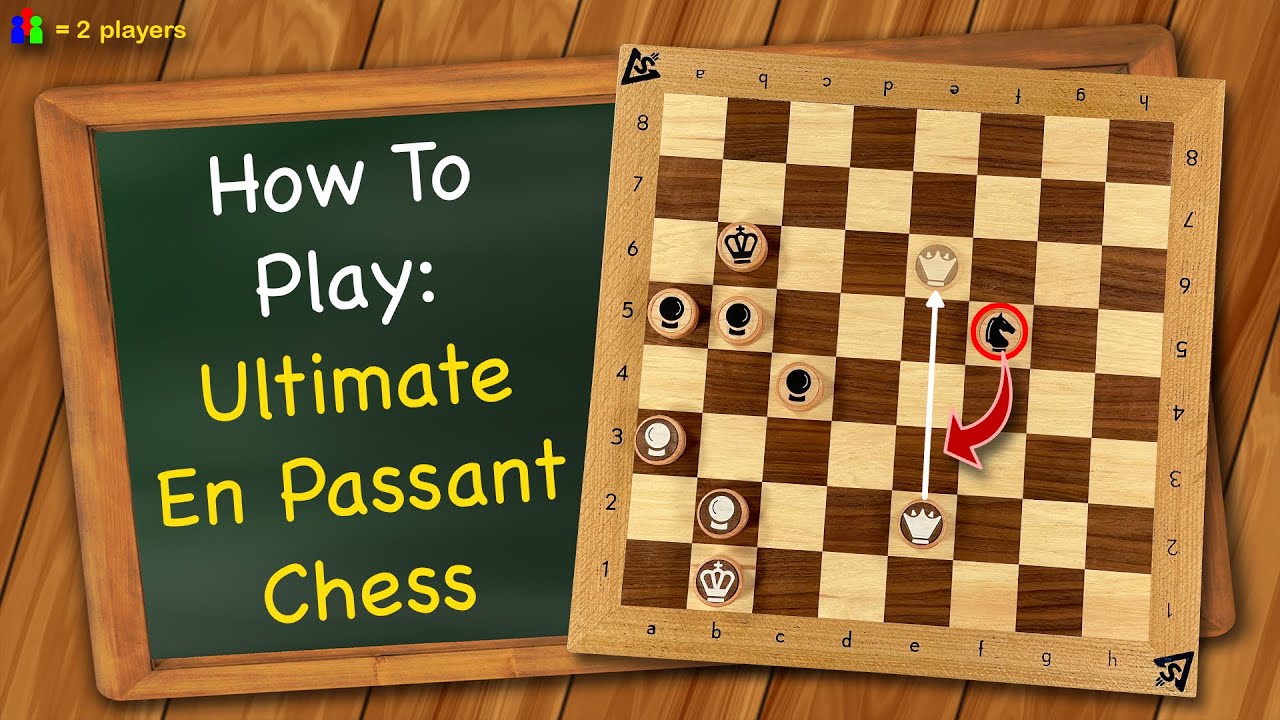
Chess has many special moves that make it exciting and deep. One of the most confusing but important ones is chess en passant. Many beginners hear about it and feel lost because it does not look like a normal capture. It feels hidden, almost like a secret rule that only advanced players know. However, once you understand it, it becomes very simple and even fun to use in real games.
The idea behind chess en passant is all about fairness in pawn movement. Pawns usually move slowly, only one square at a time. But on their first move, they can jump two squares forward. This small exception creates a problem in some positions. So, this special rule exists to fix that problem and keep the game balanced and fair for both players.
In this guide, you will learn chess en passant in the easiest way possible. We will break it into small ideas and simple examples. You will not need any advanced chess knowledge. Even if you are new to chess, you will understand it clearly step by step.
What is chess en passant
chess en passant is a special pawn capture that happens in a very specific situation. It is not a normal capture where you take a piece on its square. Instead, it is a “pass-by” capture, which means you take the pawn as it moves past your piece. This is why the name comes from French and means “in passing.”
This move only works between pawns. No other chess piece can use chess en passant. The key idea is that if an enemy pawn moves two squares forward from its starting position and lands right next to your pawn, you may capture it as if it had only moved one square. This makes the move feel unusual, but it is fully legal in chess.
Many beginners think chess en passant is a bug or an extra rule added later. However, it is actually part of the official chess rules for centuries. It was added to make pawn play more realistic and to stop unfair skipping of danger. So, it is not optional; it is a core rule of chess.
Why chess en passant exists
The main reason chess en passant exists is to protect fairness in pawn battles. Pawns are small but very important pieces. They control space and create structure in the game. Without this rule, pawns could escape danger too easily, which would break the balance of chess.
For example, imagine a pawn is standing ready to capture another pawn if it moves forward one square. Now imagine that the opponent’s pawn suddenly jumps two squares instead. Without chess en passant, the attacking pawn would lose its chance forever, even though the enemy pawn passed through a dangerous square. This would feel unfair and unrealistic.
So, chess en passant fixes this problem by allowing the capture anyway, but only immediately after the pawn makes its two-square move. This keeps the game fair and prevents players from avoiding threats just by using the double-step pawn move. It also adds strategy, timing, and awareness to the game.
Rules of chess en passant
The rules of chess en passant are very specific, and you must follow them exactly. First, the enemy pawn must move two squares forward from its starting position. This only happens on its first move. If it moves only one square, chess en passant is not possible at all. So the double-step is the first key condition.
Second, your pawn must be in the correct position to capture. For white pawns, they must be on the 5th rank. For black pawns, they must be on the 4th rank. This is because the capturing pawn must be next to the enemy pawn after it lands. If your pawn is not on the right row, chess en passant cannot happen.
Third, timing is very important. You must capture immediately on the very next move. If you play any other move, even one, the chance disappears forever. This makes chess en passant a very “now or never” rule. Many beginners miss it because they forget this timing rule.
How to perform chess en passant
To perform chess en passant, you need to watch carefully and act quickly. First, wait for your opponent to move a pawn two squares forward. This is the trigger moment. As soon as you see it, check if your pawn is placed beside it. If yes, then you already have a possible chess en passant capture.
Next, you move your pawn diagonally into the square where the enemy pawn would have been if it only moved one square. At the same time, you remove the enemy pawn from the board. This is what makes chess en passant different from normal captures. You do not land on the pawn’s final square. Instead, you capture it “in passing.”
Finally, remember that this move must be done immediately. If you delay even one move, the chance is gone. So, chess en passant is not just about knowing the rule. It is also about paying attention and reacting fast during the game.
Example of chess en passant in a game
Let’s look at a simple example of chess en passant to make it clear. Imagine white has a pawn on e5. Black then plays a pawn from d7 to d5 in one move. Now both pawns are side by side. This is the exact setup for chess en passant.
Now white has a choice. White can capture the pawn using chess en passant. The white pawn moves from e5 to d6. At the same time, the black pawn on d5 is removed from the board. It looks like the white pawn captured on d5, even though it moved to d6.
This example shows how strange but logical chess en passant is. Many beginners miss it because they expect captures only on occupied squares. But here, the capture happens on an empty square. That is what makes it special and tricky.
Common mistakes in chess en passant
Many players struggle with chess en passant, especially when they are new to chess. One very common mistake is missing the timing. Players often see the opportunity but decide to think about it. Then they play another move. After that, chess en passant is no longer allowed.
Another mistake is misunderstanding the position. Some players think chess en passant can happen anywhere on the board. But it only works on specific rows and only when pawns are side by side after a double move. If these conditions are not met, the move is illegal.
Some players also forget that only pawns can use chess en passant. No other pieces can do this capture. So, it is important to remember that this rule is very limited. It does not apply in every situation, only very special ones.
Tips to remember chess en passant easily
To remember chess en passant, think of it as a “ghost capture.” The pawn looks like it slipped past danger, but it still gets caught. This mental image helps many beginners understand it better and remember the rule during real games.
Another good tip is to always watch pawn double moves. Every time a pawn moves two squares, pause for a second. Ask yourself if chess en passant is possible. This habit will train your brain to notice the pattern quickly.
Finally, practice with simple chess positions. Set up boards and try chess en passant moves again and again. The more you practice, the more natural it becomes. Soon, you will not even think about it—it will just feel normal.
Why chess en passant is important in strategy
chess en passant is not just a rule. It is also a strategic tool. Good players use it to control the center and punish careless pawn moves. If an opponent forgets about chess en passant, they can lose a pawn quickly and unexpectedly.
It also forces players to think before pushing pawns. Since pawn structure is very important in chess, this rule makes every pawn move more meaningful. You cannot just rush pawns forward without checking the danger.
So, chess en passant adds depth to the game. It increases awareness, planning, and timing. Even though it is a small rule, it has a big impact on how chess is played at all levels.
FAQs
1. What is chess en passant in simple words?
It is a special pawn capture that happens when a pawn moves two squares and lands next to your pawn.
2. Can every pawn use chess en passant?
Yes, but only under specific conditions. Not every position allows it.
3. Is chess en passant optional?
No, it is a legal rule. If the situation happens, you are allowed to use it.
4. Can other pieces do chess en passant?
No, only pawns can use chess en passant.
5. Do I lose the chance if I wait?
Yes, you must capture immediately or the chance is gone.
Conclusion
chess en passant is one of the most interesting rules in chess. At first, it looks confusing, but it is actually simple once you understand the idea. It protects fairness and keeps pawn movement balanced.
This rule may feel small, but it changes how you think about pawn play. It teaches timing, awareness, and precision. Every serious chess player should learn chess en passant early.
So, keep practicing, watch pawn moves carefully, and soon chess en passant will feel natural in your games.
